Sex, Inc - The Place On Dearborn Street: T-Shirt Design
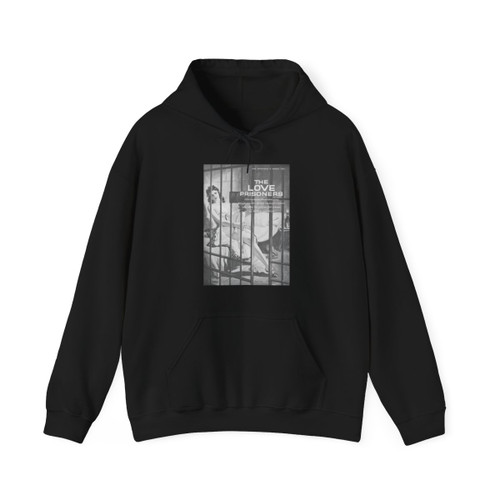
This t-shirt design encapsulates the essence of the "Sex, Inc - The Place on Dearborn Street" article, as featured in the August 1960 issue of True Adventures magazine. The artwork aims to evoke the atmosphere of mid-century pulp magazine covers, promising a glimpse into a world of clandestine intrigue and sensationalized storytelling.
Visual Elements & Representation
The design utilizes a vintage aesthetic, mirroring the graphic style of the era. Expect bold, eye-catching typography, characteristic of pulp magazine titles. The phrase "Sex, Inc" is prominently displayed, likely in a font that suggests both authority and a hint of illicit activity, the "Inc" conveying a faux-corporate formality that was common for exploitation journalism. The location, "The Place on Dearborn Street," is either interwoven into the title or presented below, anchoring the narrative to a specific location steeped in historical associations with vice.
The artwork may incorporate imagery suggestive of the content. This could include shadowy figures, stylized cityscapes (perhaps depicting a nighttime scene on Dearborn Street), or subtle hints of hidden establishments. Color palettes lean toward the evocative: perhaps a palette of deep reds, blacks, and yellows, with a retro flair to further amplify the sense of time and place.
Meaning & Symbolism
The design, at its core, symbolizes the allure of forbidden knowledge and the thrill of the unknown, as presented in a sensationalized format. The bold typography and provocative title immediately draw the viewer in, promising a glimpse into the hidden realities of Chicago's past. The artwork acts as a visual entry point to the story itself, inviting intrigue and curiosity about the content of the True Adventures article.
The design encapsulates the spirit of the pulp era's sensationalism, while giving a nod to history, and the often complex social issues underlying such narratives. It speaks to a past of underground activities, the allure of the unknown, and a particular type of mid-century reporting that captured readers' imaginations.