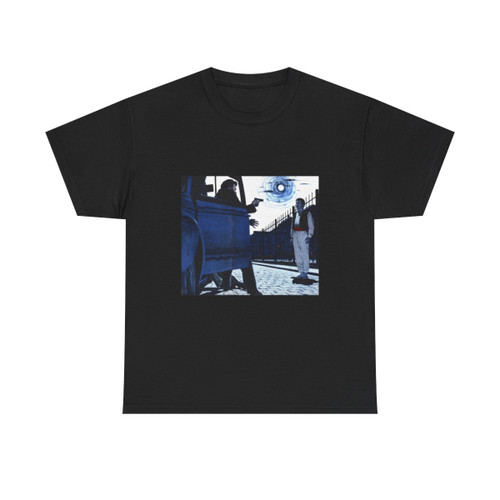
The Wives in Their Lives (1), Cosmopolitan, August 1955 - T-Shirt: Design Description
Visual Elements and Representation
This t-shirt design draws directly from the aesthetic of a vintage Cosmopolitan magazine feature, specifically referencing the "The Wives in Their Lives" photo series or article published in August 1955. The core visual element is likely a reproduction, or stylized interpretation, of the original artwork associated with that publication.
The design likely features a composition characteristic of mid-century magazine layouts. Expect bold, eye-catching typography, possibly utilizing fonts popular in the 1950s. The text "The Wives in Their Lives 1" is prominently displayed, reflecting the title of the original content. The "1" might subtly denote it is the first design of a series.
The design could incorporate iconic imagery associated with the era and the theme of the original article. This might include photographic portraits, illustrations, or stylized imagery that represents the glamorous yet complex lives of women, particularly wives, during the mid-twentieth century. The artwork aims to capture the essence of a particular time period and a specific perspective on women’s roles.
Meaning and Symbolism
The t-shirt design carries historical and cultural significance. By referencing a Cosmopolitan feature from 1955, it subtly comments on the societal expectations and roles of women during that era. The phrase "The Wives in Their Lives" immediately evokes themes of marriage, domesticity, social status, and personal identity.
The design serves as a nostalgic tribute to the imagery and artistic styles of the 1950s, a period often associated with both optimism and societal constraints. It invites viewers to reflect on the past while engaging with the visual language of a bygone era. The artwork functions as a conversation starter, sparking curiosity about the original Cosmopolitan article and the lives of women it portrayed.
The design, by featuring vintage imagery, is a celebration of retro style. The shirt becomes more than apparel; it transforms into a symbol of a particular past, inviting others to connect the viewer with that time period, reflecting on how that period connects with the current era.