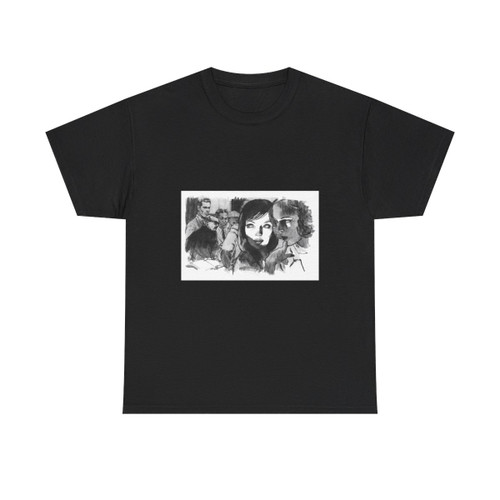
The Last Concubine (Woman's Journal, 1962) - Hoodie Design
This hoodie design captures the essence of Frances Shelley Wees's intriguing novel, "The Last Concubine," as it first appeared in Woman's Journal in 1962. The design evokes the blend of historical drama and mystery at the heart of the story, focusing on the visual elements inspired by the initial publication context.
Visual Representation
The central imagery likely incorporates visual cues related to imperial China. This could involve stylized depictions of the Forbidden City, potentially combined with calligraphy-inspired text hinting at the story's setting and the dramatic circumstances surrounding the last emperor and his concubine. The color palette might lean towards muted golds, deep reds, and black, reflecting both the opulence of the imperial court and the shadows of the impending historical upheaval of the Boxer Rebellion and beyond.
Meaning and Symbolism
The design’s symbolism centers around the idea of hidden beauty and danger. The use of traditional Chinese motifs, such as dragons or phoenixes, might subtly appear, representing power, luck, and resilience. A depiction of the historic necklace, a key element of the plot, could be subtly incorporated, representing the secret legacy carried through generations. The 1962 Woman's Journal publication date would be integrated as a significant part of the design – perhaps a stylized banner to frame the imagery, connecting the book to the era of its first appearance.
The overall effect is intended to create a sense of intrigue, suggesting a story of forbidden love, hidden secrets, and a journey through time and culture. The design hints at the adventure that awaits the wearer and reflects the novel's captivating blend of historical narrative and mystery elements.