The Last Concubine (1962) T-Shirt Design
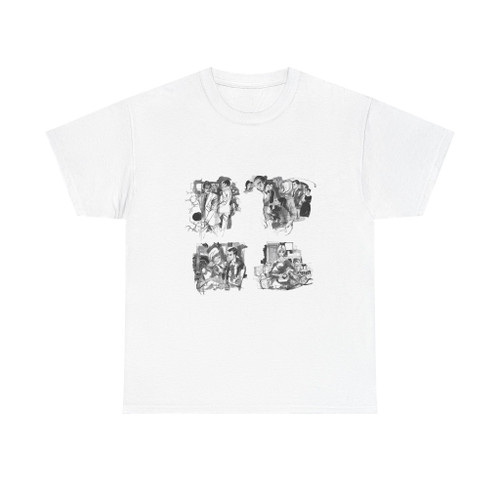
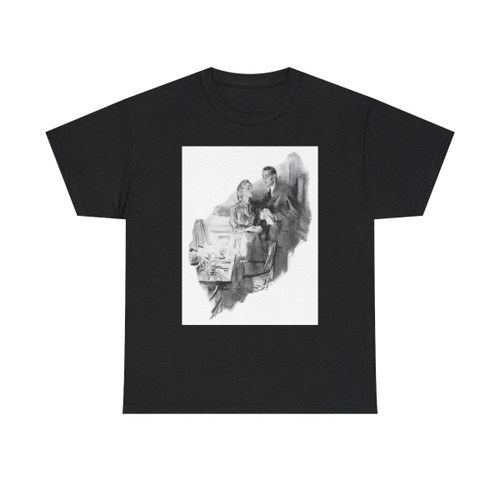
This t-shirt design celebrates the original publication of Frances Shelley Wees' "The Last Concubine" as a short story in the 1962 Woman's Journal. It captures the essence of the narrative's blend of historical intrigue and modern mystery through evocative visual elements.
Design Elements and Representation
The design features a stylized representation of a Chinese hairpin, a key symbol of status and beauty in the concubine era. The hairpin's intricate design, possibly incorporating delicate floral or bird motifs, hints at the opulence and artistry of the imperial court. This serves as a visual gateway into the story's historical setting.
Overlapping the hairpin, a delicate, stylized chain and pendant is shown. This alludes to the historic Chinese jewels that become central to the later novel's plot. The positioning of the jewelry suggests a confluence of past and present, a visual metaphor for the story's narrative structure which weaves between the two timelines.
The central imagery is framed by elements suggestive of a magazine page, hinting at the original print publication. The fonts and layout mimic the style of 1960s magazine covers, invoking a sense of nostalgia for the era and the magazine in which the story first appeared.
Meaning and Symbolism
The design's primary symbolism lies in the contrast of the ancient Chinese artifacts with a suggestion of the "modern" woman. The juxtaposition captures the essence of the story, in which historical events echo in contemporary times. The jewelry represents a link to a hidden past, echoing the mystery at the heart of the narrative.
The overall design creates a visual narrative about heritage, mystery, and the enduring power of stories. It speaks to the intrigue of the original short story, promising an exploration of history, beauty, and hidden secrets.